
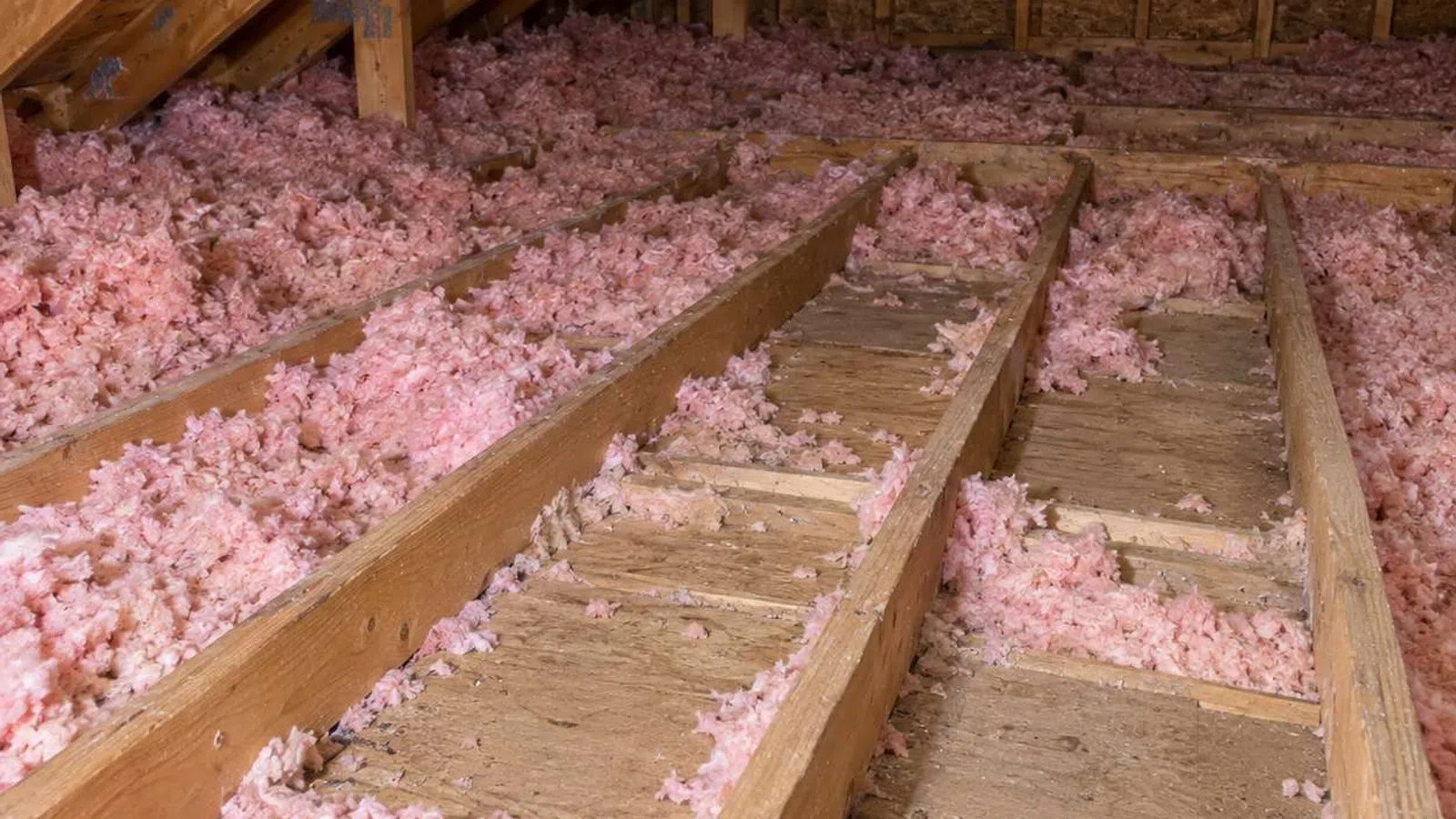
Most homeowners never think about their attic insulation until something forces the issue — a painfully high energy bill, a room that never feels quite right, or an HVAC system that seems to run constantly without keeping up. At Guardian Home Experts, we see this across Metro Atlanta, Marietta, Kennesaw, Acworth, Sandy Springs, Smyrna, and the surrounding areas more often than people expect, especially in older homes that were insulated to standards from decades ago. Here's how to tell if your attic is due for an upgrade, and why it matters more than most homeowners realize.
Your Energy Bills Are Higher Than They Should Be
If your heating and cooling costs feel disproportionate to your home's size, insulation is one of the first places to look. An underinsulated attic lets conditioned air escape in the summer and warm air rise straight out in the winter, forcing your HVAC system to work overtime just to maintain a comfortable temperature. If your system runs constantly but your home still doesn't feel evenly comfortable, insulation is often part of the problem — not just the equipment itself.
Some Rooms Never Feel Right
Uneven temperatures from room to room, especially upstairs rooms or rooms directly under the attic, are a classic sign of insufficient insulation. If one bedroom is noticeably hotter in summer or colder in winter than the rest of the house, heat is very likely escaping (or entering) through the attic above it rather than being properly blocked.
Your Attic Access Hatch or Ceiling Feels Cold
A simple test: touch your ceiling or attic access panel on a cold day. If it feels cold to the touch, or if you can feel a noticeable draft near recessed lighting or the attic hatch, that's heat escaping through gaps that proper insulation should be blocking.
You Can See Your Ceiling Joists
This is one of the simplest visual checks a homeowner can do. If you go into your attic and can clearly see the wooden ceiling joists sticking up above the insulation, you likely don't have enough. Insulation should fully cover the joists, not sit below them. If the joists are visible, your insulation depth is falling short of what your home actually needs.
What the Experts Recommend
According to the U.S. Department of Energy, most homes in Metro Atlanta's climate zone should have attic insulation rated around R-38 — and Georgia's own residential energy code has adopted R-38 as the standard for ceilings in this region. Older homes, particularly those built before insulation standards were updated, frequently fall well short of this. In fact, many homes built before 1980 have insulation levels of R-11 or less — less than a third of what's currently recommended for this area. That gap can translate into hundreds of dollars a year in unnecessary heating and cooling costs.
If you don't know your attic's current R-value, a rough way to estimate it yourself is to measure the depth of your existing insulation. As a general guide, most loose-fill insulation needs roughly 10 to 14 inches of depth to reach R-38, depending on the material. If your attic insulation looks noticeably thinner than that, it's worth having it evaluated.
Signs Beyond Temperature and Bills
A few other signs are worth watching for:
- Ice or frost patterns on the roof in winter, which can indicate heat escaping unevenly through the attic
- Pest activity in the attic, since disturbed or compressed insulation loses much of its effectiveness
- Musty odors or visible moisture in the attic, which can point to poor insulation combined with ventilation issues
- Dust or drafts around light fixtures and outlets on upper floors, suggesting air is moving through gaps that should be sealed
Why This Matters More in Georgia Than People Think
Homeowners sometimes assume insulation is mostly a winter concern, but in Metro Atlanta's climate — including Marietta, Kennesaw, Acworth, Sandy Springs, and Smyrna — it works just as hard in the summer. Proper attic insulation keeps conditioned air inside during our long, humid cooling season, which means an underinsulated attic doesn't just cost you in January — it costs you all year long, every time your AC runs.
Let Guardian Home Experts Take a Look
If any of these signs sound familiar, it's worth having your attic evaluated rather than guessing. Guardian Home Experts serves homeowners throughout Metro Atlanta, Marietta, Kennesaw, Acworth, Sandy Springs, Smyrna, and the surrounding areas, and we can assess your current insulation levels, explain what your home actually needs, and help you understand the real return on making an upgrade. A properly insulated attic is one of the most cost-effective improvements you can make to your home's comfort and energy efficiency — reach out to Guardian Home Experts to find out where your attic currently stands.