
The First Heating Test of the Season
The first cool morning of fall is not the best time to discover that your furnace has a problem. Before cold weather settles into Cobb County and North Metro Atlanta, take a few minutes to give your heating system a test run. Think of it as a simple preseason checkup for your home.
You do not need to take anything apart. In fact, furnace panels and internal components should be left to a trained HVAC professional. Your job is simply to turn the system on, observe how it operates, and watch for anything unusual.
Start With a Few Basic Checks
Before changing your thermostat to "heat," check your air filter. A dirty filter restricts airflow, which can increase furnace run time, energy consumption, and wear on the blower motor, according to the U.S. Department of Energy. Replace the filter if it is visibly dirty, and make sure it is installed in the correct direction.
Next, look around the furnace. Remove boxes, cleaning products, paper, and other combustible materials stored nearby. Check that supply vents and return grilles throughout the home are open and not blocked by furniture, rugs, or curtains.
Now set the thermostat to "heat" and raise the temperature several degrees above the current room temperature. The furnace should begin its startup sequence. Depending on the system, you may hear the inducer motor, ignition, burners, and blower come on at different times.
Is That Burning Smell Normal?
A light dusty or slightly burnt smell can be normal during the first heating cycle. Dust may collect on internal surfaces while the furnace sits unused during the warmer months. When the system heats up, that dust burns away. Read more in our Why Does My Furnace Have a Burning Smell? article.
The odor should be mild and begin fading within a short period. Opening a few windows may help.
A strong electrical, melting-plastic, smoky, or persistent burning odor is different. Turn the system off and call an HVAC professional. If you see smoke or suspect a fire, leave the home and contact emergency services.
Walk Through the House
Once the furnace is running, check several vents. You should feel steady, warm airflow. Listen for banging, scraping, rattling, squealing, or repeated clicking.
Pay attention to how long the system operates. A furnace that turns on and off every few minutes, runs continuously, blows cool air, or fails to reach the thermostat setting needs professional attention. Also check whether certain rooms remain noticeably colder, which could indicate airflow or ductwork problems.
Test your smoke and carbon monoxide alarms, too. The National Fire Protection Association notes that fuel-burning heating equipment can produce carbon monoxide and recommends properly maintained CO alarms in homes with this type of equipment.
Gas Furnaces Require Extra Attention
Natural gas is an effective heating fuel, but combustion must occur correctly and exhaust gases must vent safely outside. Problems involving burners, ignition components, venting, or the heat exchanger can create fire or carbon monoxide risks.
Carbon monoxide is especially dangerous because it has no color or odor. The CDC lists headache, dizziness, weakness, nausea, chest pain, and confusion among the common symptoms of CO exposure. More than 400 Americans die each year from unintentional, non-fire-related carbon monoxide poisoning. If a CO alarm sounds or several people suddenly experience similar symptoms, leave the home immediately and call emergency services from outside. Learn more from the CDC.
If you smell natural gas or hear hissing near the furnace, do not operate switches, use flames, or attempt to locate the leak yourself. Leave immediately and contact your gas utility or 911 from a safe location.
Why a Heating Tune-Up Matters
A homeowner's test can confirm that the furnace produces heat, but it cannot confirm that the system is operating safely.b
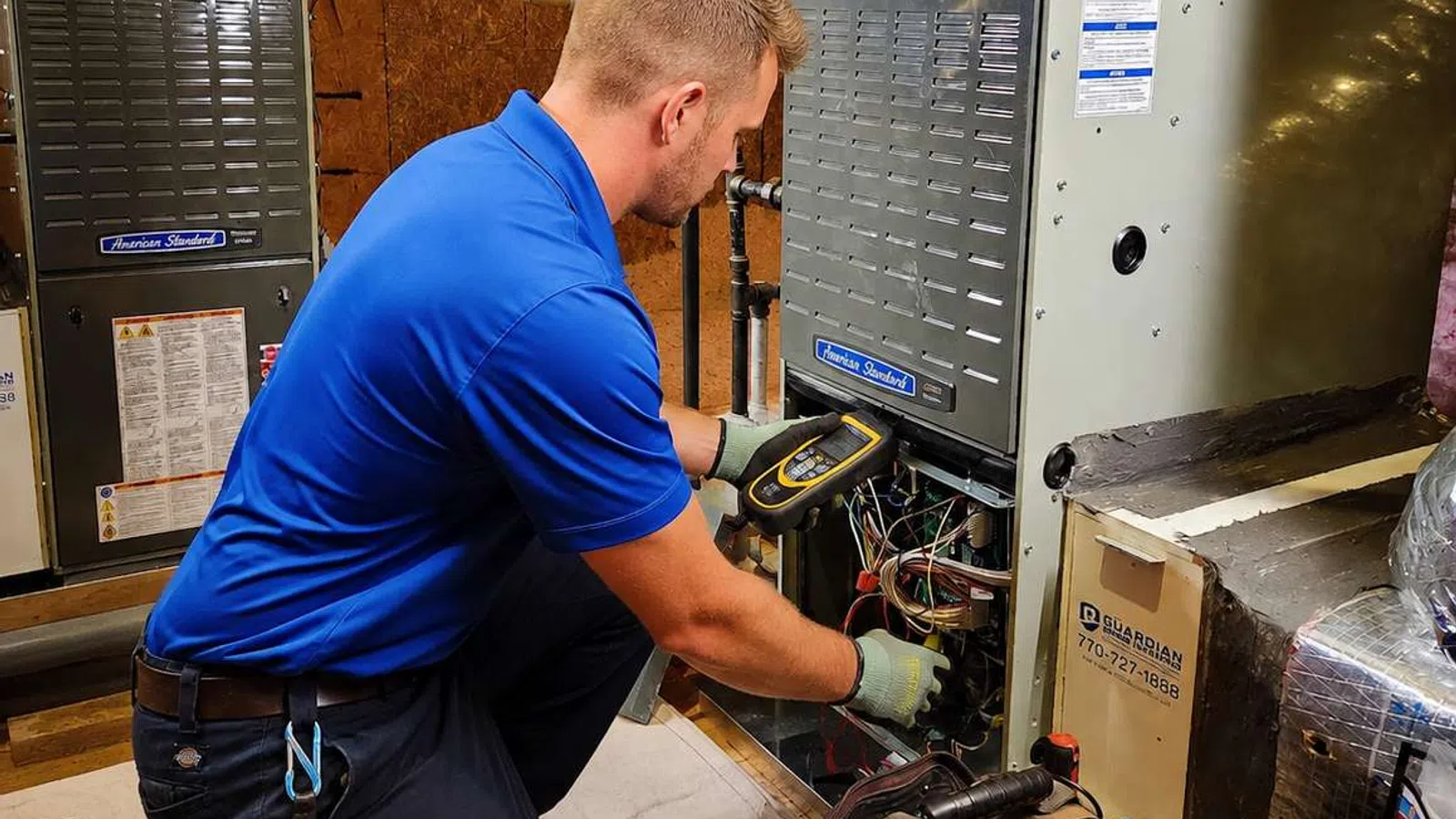
During a professional heating tune-up, a trained technician can inspect the burners, ignition system, electrical connections, safety controls, venting, airflow, and overall operation. For gas furnaces, the visit should also include an evaluation of the heat exchanger for visible damage or other warning signs and appropriate combustion and carbon monoxide safety checks.
The Consumer Product Safety Commission recommends annual professional inspections of fuel-burning heating systems to help identify carbon monoxide hazards. Review the CPSC's furnace-safety guidance.
Run your first heating test early, while the weather is still mild. If something does not look, sound, or smell right, Guardian Home Experts can inspect the system before a small concern becomes a cold-weather breakdown—or a serious safety risk.